
The citywide rezoning of Richmond now in process, called Code Refresh, will shape the features, function, and character of our city permanently. Unfortunately, it is a deeply flawed rezoning process and unworthy of what Richmond has become.
The core of these flaws was revealed in excellent investigative journalism in the TimesDispatch by Samuel Parker on September 2. A local developer has been Chair of the Planning Commission for twenty years, as well as the Chair of Richmond 300, the land use plan required by state code to precede zoning. This same developer also approved the 17 members of the Zoning Advisory Council (ZAC) from the development industry now writing the new code. Although ZAC has been increased to 21 members to appease the many concerned neighborhoods, the council remains one-sided and exclusionary.
As a result, the new zoning is built on a shaky foundation rife with false assumptions. The shaky foundation is literal: no plans or funding appear to be in place for infrastructure needed to serve the current population, let alone tens of thousands of new residents anticipated by rezoning. As far as we can tell, the Department of Public Works (DPU) is not even part of the process! Failure to provide infrastructure plans and funding is reason alone to pause this process until the fundamentals are in place.
Richmond is undergoing a revival, growing from a population of 198,000 in 2000 to about 233,000 today. However, this renaissance was kick-started not top-down by urban planners or developers, but by urban pioneers who spent a generation or more, brick-by-brick and block-by-block, reviving the great bones of our neighborhoods and enhancing the gifts that now make our city a destination. Now, our talented and engaged citizens want to fully participate in this next phase of our evolution.
Greater density is an essential and appealing feature of urbanity. But chief among the false assumptions that subvert Code Refresh is “density creates affordability.” If this were true, New York would be the cheapest city in the country, and The Fan would be the cheapest neighborhood in Richmond. Indeed, in Eric Kolenich’s recent Times Dispatch article about Scott’s Addition, where density has multiplied in the past decade, we learn that new two bedroom apartments rent for $2,800 to $4,500 monthly. Hardly “affordable” for essential educators, police, healthcare professionals, and service workers we need in our city. The models are out there. Richmond has the brain trust to solve this. But the affordability problem cannot be solved by appointed committee members with vested interests to create “by right” permitting masquerading as affordability when it is anything but. We respect the skills that builders and developers bring to our city, and the risks they face; the simple fact is that they cannot sell for less than costs! New construction is simply not affordable for many essential workers. To make matters worse, Code Refresh upzones our relatively few affordable neighborhoods, such as Oregon Hill, Westwood, Chamberlain Avenue, among others – which incentivizes developers to demolish and replace affordability with market rate residences.
The very word “density” is abused in the rezoning process. The densest neighborhoods are the historic neighborhoods. The sum total of all the historic neighborhoods comprises only about three square miles of the 62 square miles in the city. Weirdly, new zoning aims to pack greater density where density is. However, the city will be best served by incentivizing equitably distributed density that enhances neighborhood character, so that diversified commerce, safer walking neighborhoods, and robust transit flourish throughout the city.
Equally concerning, Code Refresh ignores many parameters outlined in both Richmond 300 and the recently approved Cultural Heritage Stewardship Plan. These documents specify both broad and specific standards for quality of life, sustainability goals, and protection of the numerous cultural and architectural treasures that together make Richmond so desirable. But the new zoning, reflecting the monoculture of ZAC, ignores these standards at our peril.
These shortcomings can be resolved. Elected officials have a golden opportunity to work with our talented and energetic populace and active neighborhood associations so together we may enhance our city’s renaissance. Together, we can reestablish the “Neighborhood Teams” which worked so well in Richmond that it became a model for other cities. The rezoning process we deserve would marry the interests of all stakeholders, including developers, of course, as well as leaders of the nonprofit housing community, environmentalists, law enforcement, urban planners, small business, arts and culture, and neighborhood representatives. We all benefit when all parties engage.
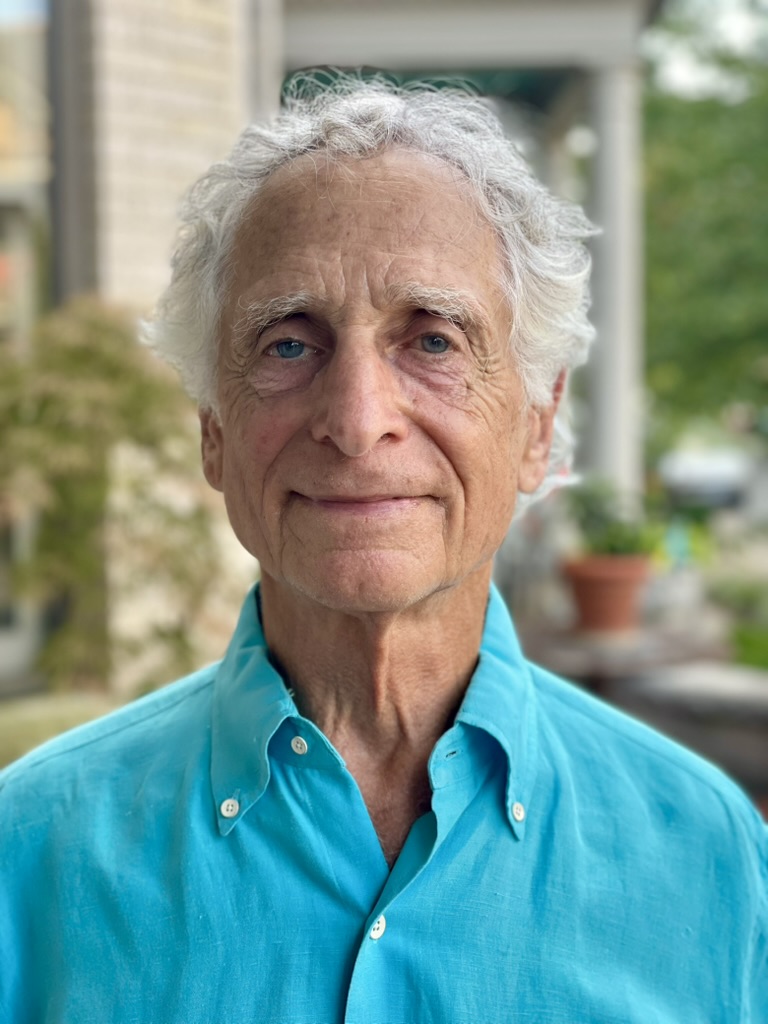
Jonathan Marcus designed and built houses in the reviving neighborhoods of Atlanta. Since moving to Richmond twelve years ago, he has served for eight years as president of both a coalition representing diverse neighborhoods, as well as president of the West Grace Street Association, where he remains on the board. He can be contacted at jonmarcus59@gmail.com.